
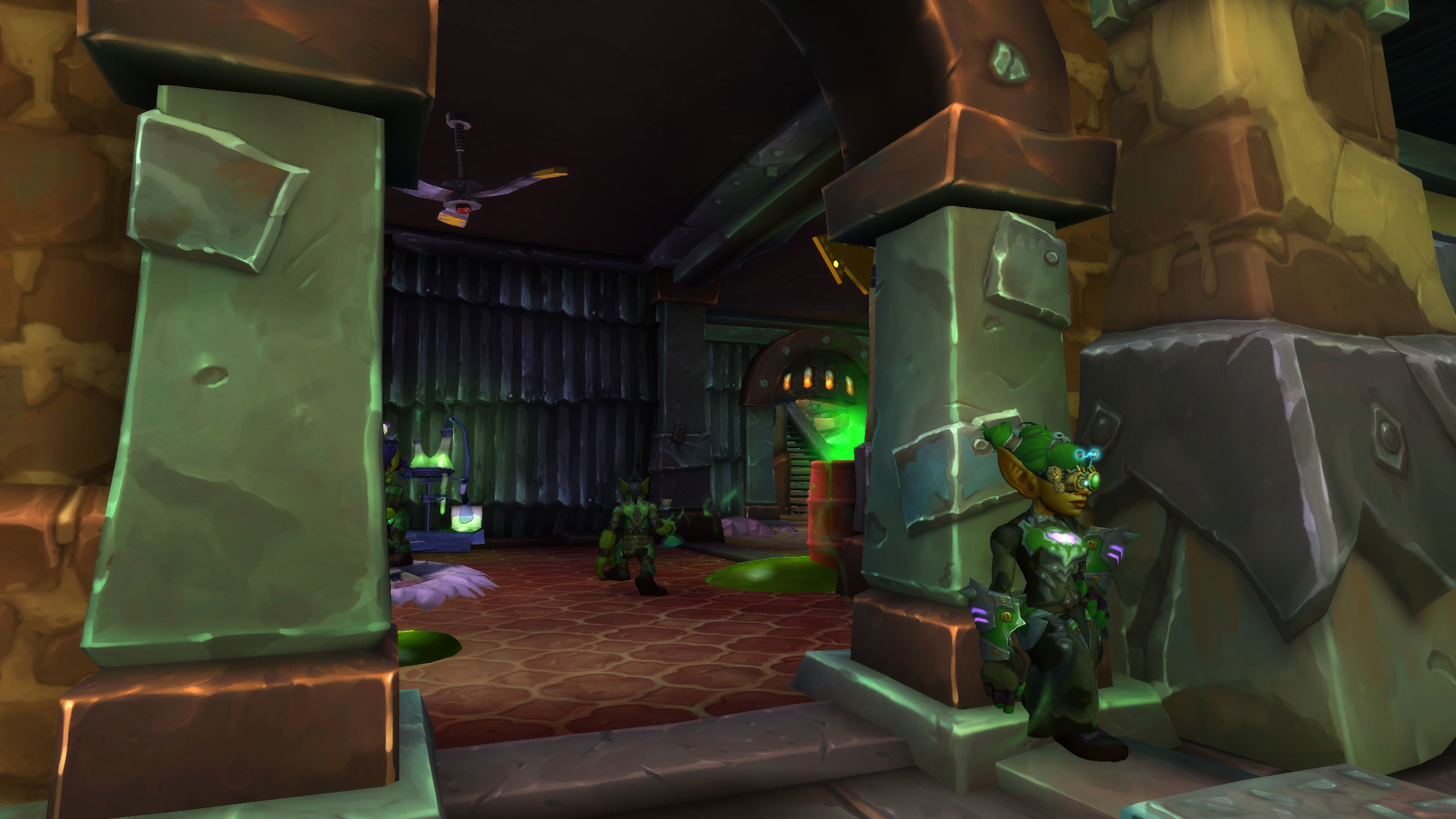
The Auction House remains one of the most intricate, misunderstood, and resilient systems in WoW. While its interface looks simple—items listed on one side, buyers on the other—its internal dynamics operate like a constantly shifting economic machine. Behind the scenes, supply chains, player behavior patterns, patch cycles, farming trends, and hidden incentives all contribute to a system where prices rise and fall with remarkable consistency.
This article takes a deeper look at the hidden mechanics that shape the Auction House economy, exploring how it functions, why fluctuations happen, and what makes this player-driven ecosystem so fascinating.
The Invisible Hand of Supply and Demand
Every item listed on the Auction House exists because a player gathered, looted, crafted, or imported it. Supply depends entirely on player activity—how many herbs people gather during peak hours, how many crafters produce specific enchantments, or how many players clear rare content that drops valuable items. Demand, meanwhile, shifts based on progression cycles, weekly resets, and population changes.
When more players farm than need materials, prices fall. When more players consume than farm, prices rise. Everything starts with this simple relationship, but the Auction House adds layers of complexity that make the system anything but predictable.
Peak Hours and Weekly Rhythms
Most players don’t realize how predictable Auction House cycles are. Prices tend to drop during weekends when activity spikes and rise midweek when fewer people farm. Similarly, just before raid night resets, demand for consumables skyrockets as guilds prepare for progression—creating short-lived pricing surges for flasks, enchants, and potions.
These cycles repeat week after week, creating patterns that experienced Auction House players use to their advantage. The AH is never static—it breathes with the rhythm of player behavior.
The Role of Market Manipulators
While most players simply list items for quick gold, others actively shape the market. These “market players” buy out low-priced listings, relist items at higher values, or flood the market to force competitors into undercutting wars. Their actions can temporarily distort prices, but the system always stabilizes once supply catches up.
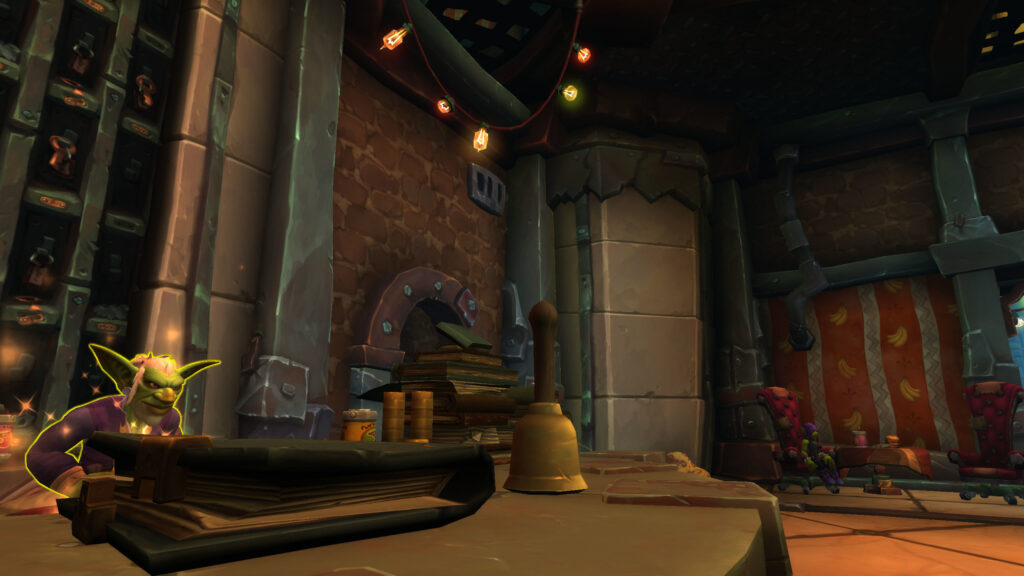
Manipulators thrive in markets with low supply volume—such as rare transmog, niche mats, or exotic mounts—where even small groups of buyers can control pricing. But high-demand markets like herbs or ores resist manipulation because steady inflow prevents long-term monopolies.
| Market Type | Ease of Manipulation | Reason |
|---|---|---|
| High-Volume Materials | Low | Constant farming prevents monopolies |
| Rare Transmog | High | Low supply makes price control easy |
| Seasonal Items | Moderate | Demand spikes suddenly but stabilizes afterwards |
Patch Cycles and Expansion Launches
The Auction House moves through predictable phases with each major patch. When new professions or recipes arrive, demand for crafting materials explodes. When raid tiers launch, players buy consumables, enchants, and crafted gear en masse. And when leveling zones open, low-level materials unexpectedly spike because new characters need them for fast progression.
Smart players anticipate these cycles. They stockpile materials before demand peaks, then sell during the surge when prices soar. This behavior affects the economy as much as the actual content drops themselves.
Behind the Scenes: How the System Processes Listings
The Auction House doesn’t simply display the “lowest price” and call it done. It organizes listings into stacks, sorts them by unit value, and merges identical listings into unified entries in the modern AH interface. This streamlining changed how pricing warfare works—players can no longer force dozens of individual listings to create visual clutter.
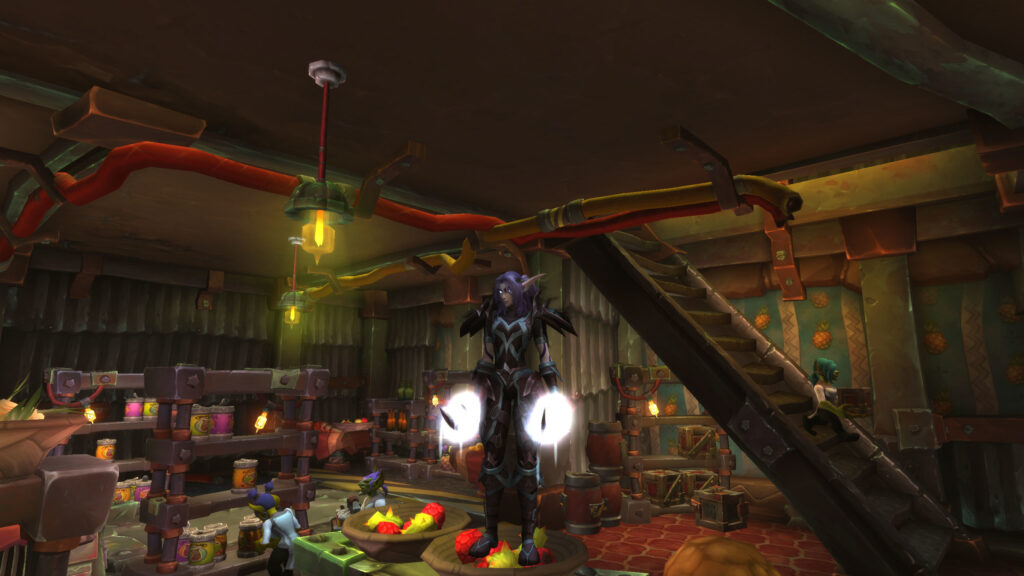
Behind the scenes, the AH system also ensures fairness: buyers always receive the cheapest listing first, even if it is part of a large stack. This prevents manipulative stacking tactics and keeps the market cleaner for everyone.
Population Shifts and Regional Differences
Population size dramatically influences pricing. High-pop realms see stable, competitive markets with low profit margins but rapid sales. Low-pop realms often have irregular markets where items can sell for wildly varying prices depending on who is online.
Connected realms helped stabilize many economies, but subtle differences remain—especially in niche markets like crafted gear, mounts, and old-world materials where demand fluctuates more dramatically.
Why Prices Fluctuate Even Without Major Events
Even on normal days, Auction House prices rarely stay still. A single player mass-posting herbs can temporarily crash the market. A sudden wave of returning players leveling professions can spike demand for rare mats. Events like Timewalking, holidays, or trading posts can redirect farming patterns across the world.
In essence, the Auction House reflects the living state of Azeroth’s population. Every login, every dungeon run, every raid night, every farming route, and every profession cooldown contributes to its fluctuations.
Conclusion
The Auction House isn’t just a shop—it’s a dynamic, player-driven economy shaped by supply chains, progression cycles, psychological patterns, and invisible networks of farmers, crafters, and consumers. Prices fluctuate because the world itself is alive, constantly shifting with new events, returning players, and evolving incentives.
Understanding how the Auction House really works gives players more than gold—it gives insight into how thousands of individuals collectively shape one of the most complex economic systems ever built inside a game.

Greetings, fellow gamers and enthusiasts of the virtual realm! I am John Lee, a dedicated gaming journalist with an insatiable thirst for uncovering the stories that lie beneath the pixels. With a keyboard as my trusty companion and a heart filled with passion, I navigate the vast landscapes of gaming, unearthing hidden treasures and sharing captivating narratives. Through my words, I strive to bring to life the intricate worlds, mesmerizing gameplay, and unforgettable characters that make gaming an art form like no other. Join me on this thrilling adventure as we delve into the virtual realms, celebrate the triumphs, and embrace the magic that awaits us at every turn. Together, let us embark on an extraordinary journey where imagination becomes reality.

Leave a Reply